A Beginner’s Guide to AI-Based Photo Transformation

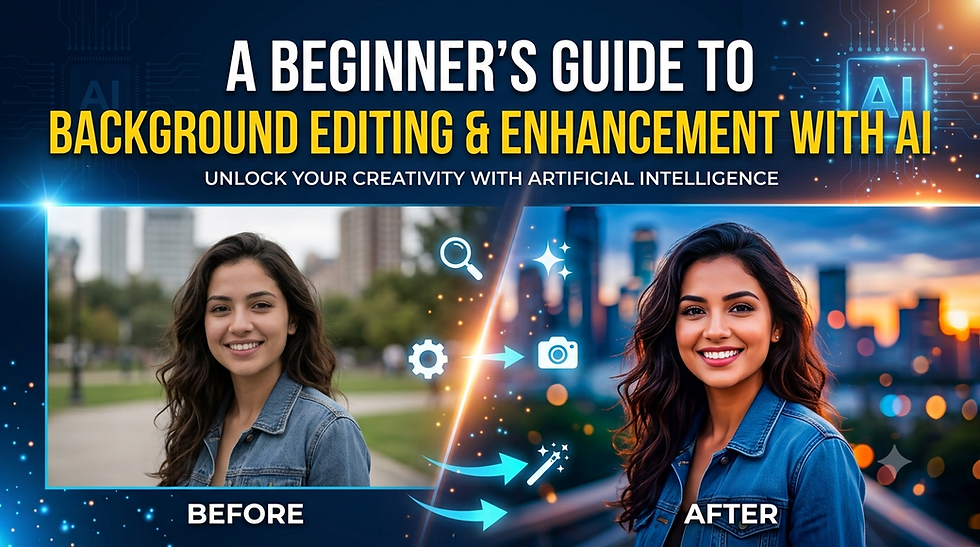
Artificial intelligence has changed the way people create, edit, and personalize digital images. In the past, photo editing often required advanced software, technical knowledge, and considerable time. Today, AI-powered tools can handle many common editing tasks automatically, making image transformation accessible to beginners as well as experienced creators.
AI-based photo transformation uses machine learning to understand different elements within an image, such as faces, backgrounds, lighting, colors, and objects. Depending on the tool, users can improve image quality, change visual styles, remove unwanted elements, or create personalized variations of an existing photograph.
This technology is becoming useful for social media creators, marketers, students, photographers, and everyday users who want to experiment with digital images. However, using these tools responsibly is just as important as understanding how they work. Users should respect privacy, obtain permission when working with someone else's photograph, and avoid creating misleading or harmful content.
What Is AI-Based Photo Transformation?
AI-based photo transformation refers to the use of artificial intelligence to modify or recreate visual elements in an image. Instead of manually changing every part of a photograph, an AI system analyzes the image and applies automated changes based on the user's instructions.
For example, an AI editor may recognize a person's face separately from the background. It can then make controlled changes while attempting to maintain realistic proportions, lighting, and facial details. Other tools can transform a photograph into an artistic style, improve a low-quality image, or generate a new background.
The main advantage is simplicity. A beginner does not necessarily need professional editing skills to achieve results that would previously have required specialized knowledge.
How Does AI Photo Transformation Work?
Most AI-powered image tools rely on machine learning models trained to recognize patterns in visual data. When an image is uploaded, the system examines features such as shapes, textures, colors, facial characteristics, and object boundaries.
The software then processes these elements according to the selected transformation. Some applications use generative AI to produce new pixels, while others use computer vision techniques to identify and modify existing areas.
The final result depends on several factors, including the quality of the original image, the capabilities of the software, and the type of transformation being requested. A clear photograph with good lighting will generally provide the system with more useful information than a blurry or heavily compressed image.
Common Types of AI Photo Transformations
AI can be used for many different types of image editing. One of the most common applications is photo enhancement. AI can help sharpen details, reduce noise, improve lighting, and increase the apparent quality of older images.
Background editing is another popular use. Users may remove a distracting background and replace it with a different environment. This can be useful when preparing product photographs, profile images, or creative social media content.
Style transformation allows users to give photographs a particular artistic appearance. Depending on the application, an ordinary image can be transformed into an illustration, painting-inspired design, cartoon-like visual, or another creative style.
Face-related transformations are also widely available. These tools can adjust facial expressions, create artistic variations, or perform other controlled modifications. Because faces are highly personal information, this category requires particular attention to consent and responsible use.
Exploring Face Transformation Tools
Face transformation technology demonstrates how advanced AI image processing has become. Modern systems can identify facial landmarks and use them to make changes while attempting to preserve the overall structure of an image.
For beginners, a tool such as vidqu face swap can illustrate how AI-powered systems can transform facial elements within digital images. The important thing is to use such technology responsibly. Images should be used with appropriate permission, particularly when they contain recognizable individuals.
Face transformation should not be used to impersonate people, spread false information, create deceptive material, or damage someone's reputation. Understanding these limitations helps users explore creative possibilities without ignoring privacy and ethical considerations.
Choosing the Right AI Photo Tool
Beginners can easily become overwhelmed by the large number of AI image applications available today. The right choice depends on what the user wants to accomplish.
A simple editing tool may be enough for basic improvements such as removing backgrounds or adjusting image quality. Someone interested in creative experimentation may need a platform with more advanced generative features.
Before using any service, it is useful to understand what happens to uploaded images. Check the provider's privacy information, data-retention practices, and terms of use. Users should also look for clear information about commercial usage rights if the images will be used for business purposes.
A reliable tool should make its features and limitations reasonably clear. Beginners should avoid assuming that AI-generated results are automatically accurate or appropriate for every situation.
Benefits of AI-Based Photo Transformation
One major benefit is accessibility. AI can reduce the technical barrier associated with traditional photo editing. People who have never used professional editing software can experiment with image enhancement and creative transformations.
Another advantage is efficiency. Tasks that previously required several manual editing steps can often be completed much faster with AI assistance. This can be especially useful for people who regularly create social media posts, marketing materials, presentations, or website graphics.
AI also encourages experimentation. Users can test different styles and ideas without having to rebuild an image from the beginning each time. This makes the creative process more flexible and approachable.
However, AI is a tool rather than a replacement for human judgment. The user still needs to review the final image and determine whether it is accurate, appropriate, and suitable for its intended purpose.
AI and Personalized Digital Content
Personalization is becoming an important part of modern digital communication. Businesses and creators often need images that match different audiences, campaigns, platforms, and creative themes.
Resources such as Modern Tools for Personalized Digital Content can help readers understand how emerging technologies are changing the way digital material is created and customized.
AI photo transformation can support this process by allowing users to adapt visuals for different contexts. For example, a business may create several versions of a promotional image for different campaigns, while an individual creator may adjust visuals to match a particular content theme.
The goal should not simply be to produce more images. Effective personalization means creating useful and relevant visual content while maintaining quality, authenticity, and appropriate use of personal data.
Privacy and Consent Matter
Photo transformation becomes more sensitive when real people's faces are involved. A photograph can contain personally identifiable information, and changing someone's appearance without permission can create ethical and privacy concerns.
Users should obtain consent before transforming or publishing images of other people, especially when the resulting image could reasonably be mistaken for an authentic photograph.
It is also important to distinguish creative editing from deceptive manipulation. A clearly labeled artistic transformation is different from presenting an altered image as evidence of something that never happened.
Responsible AI use begins with understanding the potential impact of the content being created.
Tips for Beginners
Starting with high-quality images is one of the easiest ways to improve AI editing results. Good lighting, clear subjects, and reasonable image resolution provide better input for most transformation systems.
Beginners should also start with simple changes instead of attempting complex transformations immediately. Learning how one feature works can make it easier to understand more advanced options later.
Always preview the final image carefully. Look for unnatural facial details, distorted objects, inconsistent shadows, unusual edges, or other artifacts. AI systems can produce convincing results, but they are not perfect.
Finally, keep the purpose of the image in mind. A transformation that works well for a fun personal project may not be appropriate for professional, educational, or commercial use.
The Future of AI Photo Transformation
AI image technology continues to develop rapidly. Future tools are likely to provide more precise editing controls, better understanding of context, and improved integration with everyday creative applications.
As these systems become more capable, digital literacy will become increasingly important. Users will need to understand not only how to create AI-powered images but also how to identify manipulated content and evaluate whether an image can be trusted.
Human creativity will remain important because AI tools depend on instructions, goals, and decisions made by people. The strongest results are often produced when technology handles repetitive editing while humans provide the creative direction and final judgment.
Conclusion
AI-based photo transformation has made digital image editing easier, faster, and more accessible to beginners. From enhancing image quality to experimenting with creative styles and personalized visuals, these tools provide many opportunities for everyday users and professional creators alike. At the same time, responsible use should remain a priority, particularly when working with people's faces and personal images. Understanding privacy, consent, accuracy, and platform policies can help users make better decisions while exploring this technology. By combining AI capabilities with human creativity and careful judgment, OutRight Systems recognizes how modern digital tools can support more accessible and responsible content creation.


Comments